

How to Get a Healthcare Job in 2026
Healthcare remains one of the most resilient fields to build a career in. Hospitals, clinics, care homes, laboratories, and health-tech companies all need people — not only doctors and nurses, but also technicians, therapists, administrators, and support staff. If you are learning how to get a healthcare job in 2026, here is a practical roadmap.
How to Get a Healthcare Job in 2026: Understand the Range of Healthcare Roles
Many job seekers think of healthcare as doctors and nurses only, but the sector is far wider. Clinical roles include nursing, physiotherapy, radiography, laboratory technology, pharmacy, and dentistry support. Non-clinical roles include medical administration, health records management, billing, patient coordination, and facility operations. Newer areas such as telehealth support, health data analysis, and medical device support are also growing.
Start by deciding which side of healthcare suits you. Clinical roles usually require formal qualifications and licenses, while administrative and support roles often value organisation, communication, and relevant short courses. Knowing your category narrows your job search and your training plan.
Healthcare Roles in Demand in 2026
Demand is not spread evenly across healthcare. Roles that combine patient care with technology or community outreach tend to stay open longer — for example, nursing and aged-care roles, mental-health support roles, and technicians who can run modern diagnostic equipment. Community and home-care roles are also growing, as more care moves out of hospitals and into people’s homes.
That does not mean you should chase a role you do not want. It means that when you compare two paths you are genuinely interested in, it is worth checking which one has more openings in your area. A role with steady local demand gives you more choice of employer, more shift options, and a stronger position when you plan your next move.
Get the Right Qualification for Your Target Role
Healthcare is a regulated field, so qualifications matter more here than in many other industries. Before you apply, check what credential your target role actually requires in the country or region where you want to work. A nursing role, for example, typically requires a recognised nursing degree and registration with the relevant nursing council. A laboratory technician role requires relevant lab science training. An administrative role may only need a diploma plus familiarity with hospital systems.
Do not spend time and money on a course until you have confirmed it is accepted by employers and regulators in your target market. Read real job postings for your target role and list the qualifications they ask for repeatedly — that list is your training checklist for how to get a healthcare job in 2026.
Build Practical Experience, Even Before Your First Job
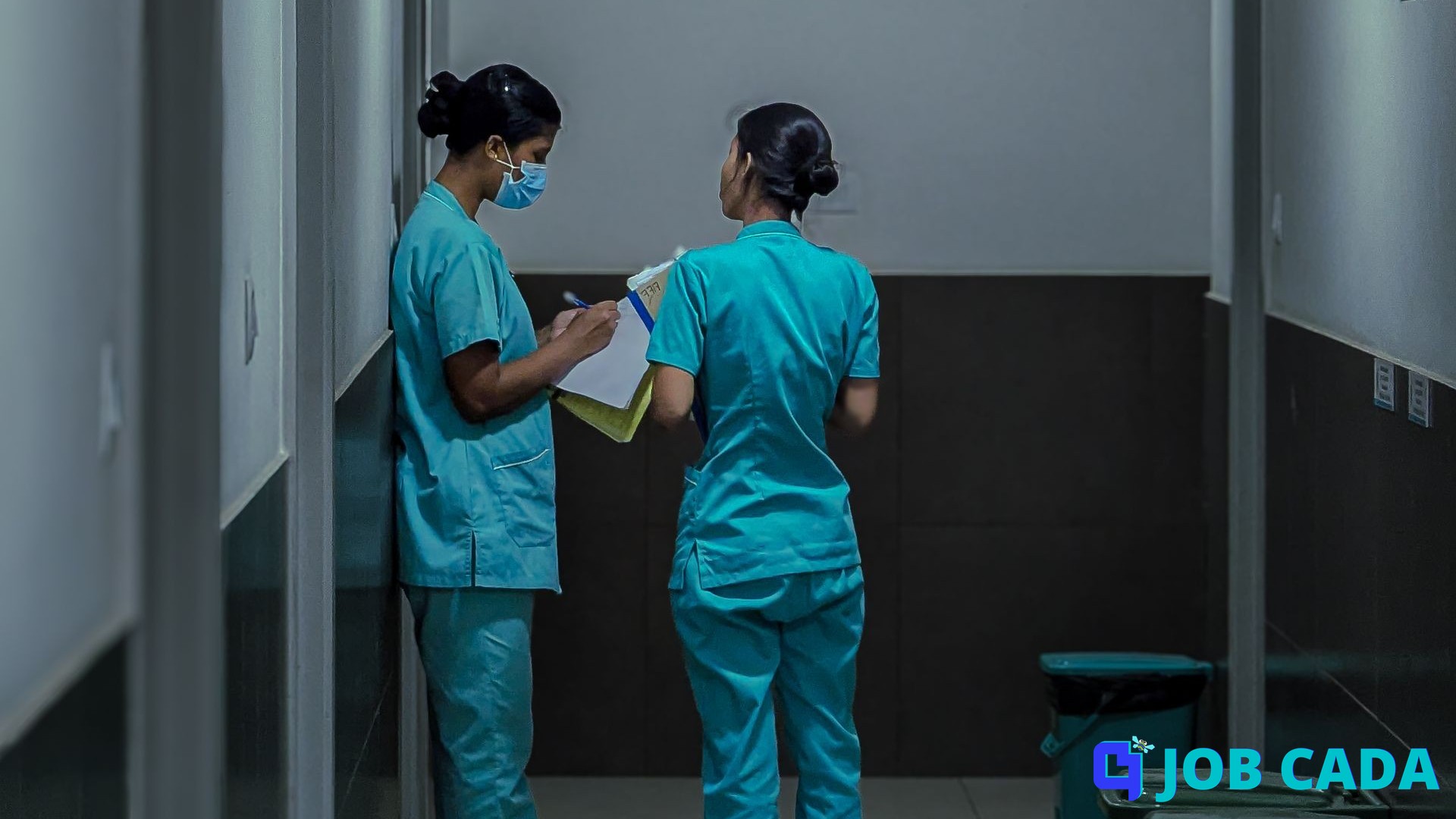
Healthcare employers value hands-on experience highly, because patient-facing work leaves little room for on-the-job guesswork. If you are a student or a career changer, look for internships, clinical placements, volunteer work in hospitals or care homes, and shadowing opportunities. Even a short placement gives you real workplace vocabulary, references, and proof that you can work in a care environment.
If you already work in healthcare, experience in a second setting — for example, moving from a clinic to a hospital ward, or from general care to a specialist unit — can open doors to senior roles. Keep a simple record of the procedures, systems, and patient groups you have worked with, so you can describe them clearly in applications and interviews.
Prepare a Healthcare-Focused CV
A generic CV rarely works in healthcare. Tailor yours to the role: put your qualification and registration status near the top, followed by relevant clinical or workplace experience, and then the practical skills the posting asks for — such as patient care, record keeping, infection control awareness, or experience with a specific system or equipment.
Keep the language plain and factual. State what you did, where, and for how long, rather than filling the CV with adjectives. Hiring managers in healthcare scan for credentials and experience first, so make those easy to find. If you hold certifications that need renewal, such as first aid or basic life support, keep them current and list them clearly.

Search Smart: Use Specialist Channels
General job boards are a good starting point, and you can browse current openings on the JobCada jobs page. But healthcare hiring also happens through hospital career pages, public health department listings, recruitment agencies that specialise in medical staff, and professional associations. Set up alerts for your exact role title and location so you hear about new openings early.
When you find a posting, read it fully before applying. Note the required qualification, the shift pattern, and whether the role is in a hospital, clinic, or community setting. Applying only to roles that genuinely match your credentials saves you rejections and keeps your search focused.
Prepare for Healthcare Interviews
Healthcare interviews usually test two things: your competence and your judgement with people. Expect scenario questions such as how you would handle a distressed patient, a disagreement with a colleague, or a busy shift with competing priorities. Answer with real examples from your experience, structured simply: what the situation was, what you did, and what the outcome was.
Interviewers also check your understanding of patient safety, confidentiality, and teamwork, and showing that understanding is a key part of how to get a healthcare job in 2026. You do not need to recite policies word for word, but you should be able to explain, in your own words, why those things matter and how you practise them. If the role involves shift work, be honest about your availability — healthcare teams plan around rosters, and surprises later damage trust.

Mistakes That Slow Down a Healthcare Job Search
A few avoidable mistakes cost healthcare applicants more time than anything else. The first is applying with a generic CV that hides your qualification and registration status — in healthcare, those two details belong at the top, not buried on page two. The second is applying for roles you are not yet licensed for and hoping the employer will wait; in regulated roles, employers usually cannot. The third is skipping interview preparation for scenario questions, even though they come up in almost every healthcare interview.
It also helps to keep your documents ready before you start applying: an updated CV, copies of your qualification and registration, and references who have agreed to be contacted. When a good opening appears, you want to apply the same day, not spend a week gathering paperwork.
Keep Learning After You Are Hired
Healthcare changes constantly: new guidelines, new equipment, and new systems arrive every year. The professionals who progress are the ones who keep learning — short refresher courses, workshops, and on-the-job training all count. Many employers support continuing education, so ask about it when you are hired and use it.
Short courses in areas such as infection prevention, patient communication, or a new clinical system are often the fastest way to qualify for a senior or specialist post. Keep a simple training log — course name, provider, and date — so you can show it at appraisal time or in your next application.
Also, look after yourself. Healthcare work can be physically and emotionally demanding, especially on long shifts. Sustainable habits — proper rest between shifts, clear boundaries, and support from colleagues — are part of a long career, not an optional extra.
How to Get a Healthcare Job in 2026: Your Next Step
Getting a healthcare job in 2026 comes down to a clear target role, the right recognised qualification, some real hands-on experience, and a CV and interview approach built around what healthcare employers actually check. Work through those steps one at a time, and apply consistently rather than waiting for a perfect opening — that steady routine is how to get a healthcare job in 2026.
Browse current healthcare and other openings on the JobCada jobs page, and start with the roles that match the qualifications you already hold — you can build from there.
Related Reading: How to Get a Marketing Job in 2026
Pingback: How to Get a Banking Job in 2026 - Job Cada